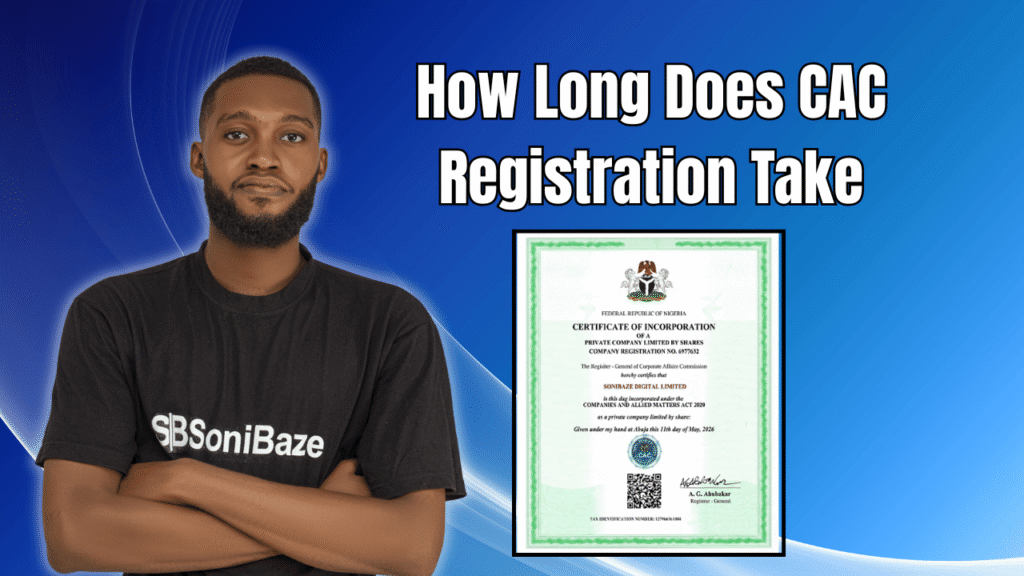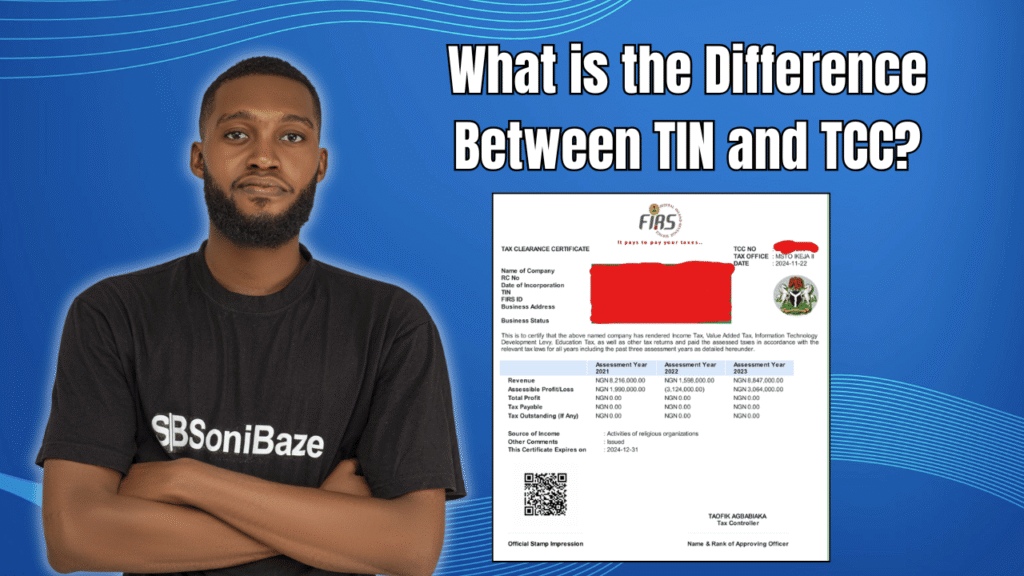
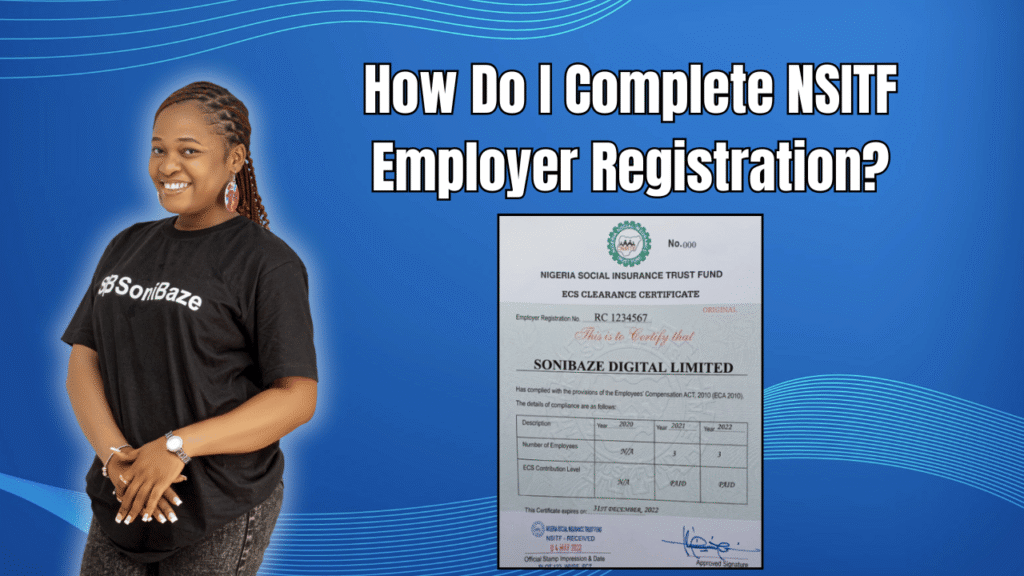
A Lagos construction company with 35 employees won a federal government contract worth 48 million naira in early 2025. They had the equipment, the experience, and the track record. What they did not have was an NSITF Compliance Certificate. The contract was withdrawn at the procurement stage. By the time they registered and obtained the certificate, the client had moved to the next bidder.
This happens more often than most business owners realise. NSITF registration is one of those compliance requirements that feels easy to postpone right up until it costs you something significant.
This article explains what NSITF employer registration involves, the steps to complete it, what it costs, and what happens once you are registered.
Obtain Your NSITF Certificate
Let us help you obtain your Nigeria Social Insurance Trust Fund (NSITF) Compliance Certificate quickly and hassle-free. Our experts provide reliable support throughout the application process, ensuring your business meets all statutory compliance requirements.
What Is NSITF?
NSITF stands for the Nigeria Social Insurance Trust Fund. It is a federal government parastatal under the Federal Ministry of Labour and Employment. The Fund administers the Employees’ Compensation Scheme, which was established under the Employees’ Compensation Act of 2010.
The scheme protects workers who suffer work-related injuries, occupational diseases, disability, or death. It provides medical treatment, rehabilitation, and financial compensation to affected employees, and death benefits to their dependants. The employer funds the scheme entirely. Employees make no contribution.
NSITF is separate from the pension scheme. Pension provides retirement income. NSITF covers workplace risk. Both are legally required, but they serve different purposes and are administered by different agencies.
Who Must Register?
Every employer in Nigeria with at least one employee on payroll is required to register with NSITF under the Employees’ Compensation Act 2010. The mandate covers both public and private sector organisations, and it extends to full-time staff, contract workers, casual workers, and apprentices from the first day of employment.
Sole proprietors with no employees are not required to register. Everyone else is.
This is a wider net than most employers expect. If a worker operates under your direction and control, they are covered under the scheme regardless of how the engagement is structured or documented.

Documents Required for Registration
Getting your documents together before starting the process avoids unnecessary back and forth. Here is what you need.
Certificate of Incorporation from the Corporate Affairs Commission, confirming your company’s legal existence and registration type.
Particulars of the business, including your employer name exactly as registered, incorporation number, registered address, phone number, and email address.
Particulars of owners or directors, including full names, positions held, and means of identification for each person.
Form ECS RE01, which is the official Registration of Employer form. This can be obtained from any NSITF office or downloaded from the NSITF website at nsitf.gov.ng.
Form ECS RE03, which is the Employer Schedule of Payment. This form details your employee remuneration structure and is used by NSITF to assess the contribution amount your company will pay monthly.
Tax Clearance Certificate for the most recent three years of assessment, or your Tax Identification Number printout where a full tax clearance certificate is not immediately available.
Staff payroll schedule showing employee names, roles, and monthly gross salaries, which feeds directly into the contribution calculation.
How to Complete NSITF Employer Registration
Step 1: Obtain and Complete the Registration Forms
The first step is to obtain Form ECS RE01 and Form ECS RE03. These are available at any NSITF branch office across Nigeria, or you can download them from the official NSITF website. Complete both forms accurately, paying particular attention to the payroll schedule in Form ECS RE03, since NSITF uses this to determine your monthly contribution amount.
Errors on the payroll schedule are a common source of delays because any discrepancy between what is submitted and what NSITF’s assessment reveals will need to be corrected before registration proceeds.
Step 2: Submit Your Forms and Supporting Documents
Once the forms are completed, submit them alongside your supporting documents at the nearest NSITF office to your business location. The submission includes your Certificate of Incorporation, the completed ECS RE01 and ECS RE03 forms, your tax clearance certificate or TIN printout, and your staff payroll schedule.
NSITF will then assess your employee wages based on the submitted payroll schedule. This assessment determines the monthly contribution amount your company will be required to remit going forward.
Obtain Your NSITF Certificate
Let us help you obtain your Nigeria Social Insurance Trust Fund (NSITF) Compliance Certificate quickly and hassle-free. Our experts provide reliable support throughout the application process, ensuring your business meets all statutory compliance requirements.
Step 3: Make the Initial Payment via Remita
After the wage assessment, NSITF issues payment details based on the outcome. All payments are made through the Remita platform. Cash payments or bank transfers outside of Remita are not accepted for NSITF contributions.
The initial registration and certification processing fee is approximately 50,000 naira. Your first monthly contribution, calculated at 1% of your total monthly payroll, is also payable at this stage. Contributions are based on total monthly emoluments but exclude pension contributions, bonuses, overtime payments, and one-off payments such as 13th-month salary.
Keep your Remita payment receipt. You will need it when applying for the compliance certificate.
Step 4: Request Your Compliance Certificate
Once payment is confirmed, submit an official request letter to NSITF for your Compliance Certificate. This request goes in alongside your Certificate of Incorporation, the completed ECS forms, and your evidence of payment.
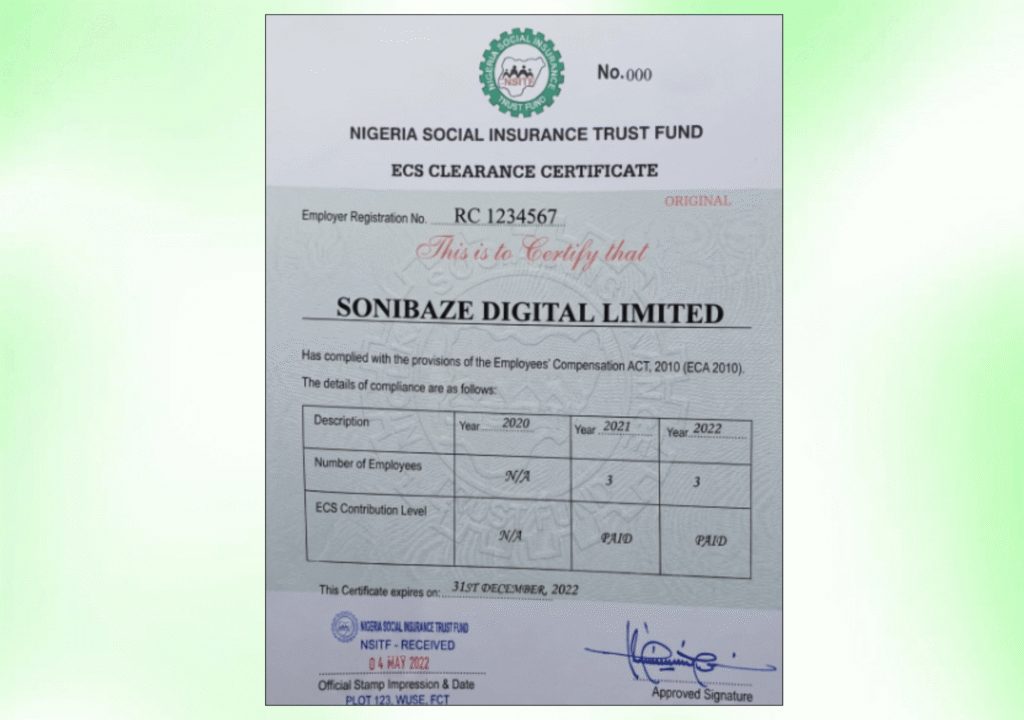
The compliance certificate is typically processed within 5 working days of receiving a complete and verified submission. The certificate serves as proof that your company is registered and contributing correctly under the Employees’ Compensation Scheme, and it is the document that procurement officers, banks, and regulatory bodies will ask for.
NSITF Registration at a Glance
| Step | Action | Key Detail |
|---|---|---|
| 1 | Obtain and complete Forms ECS RE01 and ECS RE03 | Available at NSITF offices or nsitf.gov.ng |
| 2 | Submit forms and supporting documents to NSITF | NSITF assesses employee wages from your payroll schedule |
| 3 | Make payment via Remita | Registration fee approximately N50,000 plus 1% of monthly payroll |
| 4 | Submit certificate request letter with payment evidence | Certificate issued within 5 working days of complete submission |
What Does NSITF Registration Cost?
The registration and certification processing fee is approximately 50,000 naira for the initial application. Beyond this, the ongoing monthly contribution is 1% of your total monthly payroll, paid entirely by the employer. This is not deducted from employee salaries.
Late remittance carries a penalty of between 5% and 10% per month on unpaid or unremitted contributions. For companies that have been operating without registration for an extended period, the accumulated arrears plus penalties can be substantial. Regularising early is significantly cheaper than doing so after a contract deadline forces the issue.
Ongoing Obligations After Registration
Registration is the start, not the finish. Once registered, employers must remit 1% of monthly payroll to NSITF every month without interruption. The compliance certificate is renewed annually, so maintaining consistent remittance records is what keeps your certificate valid at renewal time.
NSITF also requires employers to report any workplace accident or injury within 7 days of occurrence, using the Notification of Accident form ECS CCF01. Failing to report incidents within this window can complicate any subsequent compensation claims by affected employees.
NSITF conducts periodic inspections to verify that employers are remitting correctly. Companies with clean, consistent records move through these inspections without disruption.
What If My Company Has Not Been Registered for Years?
This is a common situation. Many businesses have been operating with staff for years without registering. The path forward is to regularise rather than continue without compliance.
NSITF allows employers to calculate and remit arrears for prior periods. The total owed will include the accumulated 1% monthly contributions plus any applicable penalties. Engaging NSITF directly to agree on a regularisation approach before submitting a lump payment is advisable, since the calculation method for arrears can vary depending on how far back the unregistered period goes.
Once arrears are settled and current contributions are up to date, the compliance certificate can be issued and maintained going forward.
Frequently Asked Questions
Is NSITF registration compulsory even for small businesses?
Yes. The Employees’ Compensation Act 2010 applies to every employer with at least one employee in Nigeria, regardless of company size, sector, or revenue. There is no exemption based on the number of employees or the nature of the business.
How is the 1% NSITF contribution calculated?
The contribution is 1% of total monthly payroll, which means the combined gross salaries of all employees on payroll for that month. The calculation excludes pension contributions, overtime pay, bonuses, and one-off payments. Only standard monthly emoluments are included.
Can I pay NSITF contributions outside of Remita?
No. NSITF only accepts payments through the Remita platform. Payments made via other channels will not be recognised, and contributions will be treated as unremitted regardless of how much was paid.
How long does it take to get the NSITF Compliance Certificate?
The certificate is typically issued within 5 working days of a complete and verified submission, including payment evidence. Applications with missing documents or payroll discrepancies take longer because these issues need to be resolved before processing can begin.
Does NSITF cover contract and casual staff?
Yes. The Employees’ Compensation Act covers any person working under your direction and control, regardless of whether the engagement is full-time, part-time, contract-based, or casual. Coverage begins from the first day of employment.
What happens if I miss a monthly remittance?
Late remittance attracts a penalty of between 5% and 10% per month on the unpaid amount. Consistent non-remittance can also lead to disqualification from government procurement opportunities and potential legal liability for workplace injuries that occur during the non-compliant period, since an unregistered employer loses the no-fault protection that the scheme provides.
Conclusion: Register Before You Need the Certificate
NSITF registration is straightforward when approached with the right documents and a clear understanding of the process. The forms are standard, the payment platform is established, and the certificate comes through in under a week when everything is in order.
The problem for most businesses is that they only discover this requirement when a contract, a licence renewal, or a bank relationship demands the certificate. At that point, any period of unremitted contributions adds time and cost to what should be a five-day process.
If your business has employees and is not yet registered with NSITF, the registration process described above is where to start.
Obtain Your NSITF Certificate
Let us help you obtain your Nigeria Social Insurance Trust Fund (NSITF) Compliance Certificate quickly and hassle-free. Our experts provide reliable support throughout the application process, ensuring your business meets all statutory compliance requirements.